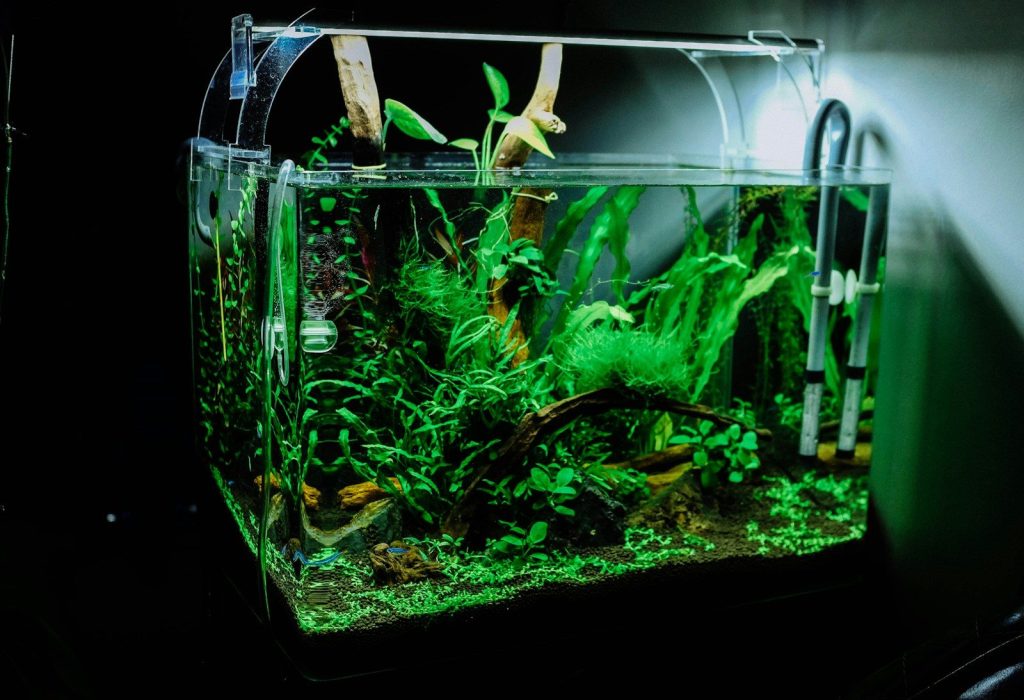
Setting up your first aquarium can be an exciting yourney into the aquatic world, bringing a slice of nature right into your home. Whether you’re drawn to the serene beauty of community tanks, the vibrant colors of freshwater fish, or the stunning biodiversity of marine environments, starting an aquarium can be both rewarding and educational. In this comprehensive guide, we will walk you through the essential steps and considerations for setting up your first aquarium, ensuring a successful and enjoyable experience.
Understanding the Basics of Aquarium Setup
Before diving into the specifics of aquarium setup, it’s important to grasp the fundamental concepts that will guide you. An aquarium is a self-contained ecosystem that requires careful planning and maintenance. Understanding the needs of your fish and plants is crucial for creating a healthy environment. Here, we’ll cover the essential components you need to consider before setting up your aquarium.
Choosing the Right Aquarium Size
The first step in setting up your aquarium is deciding on the tank size. Fish tanks come in various sizes, ranging from small desktop aquariums to large display tanks. Consider the following factors when choosing the right size:
- Space Availability: Assess the space in your home where you plan to place the aquarium. Ensure it can support the weight of the tank when filled with water.
- Fish Type: Larger fish require more space to swim and thrive, while smaller species can adapt to smaller tanks. Research the adult size of the fish you plan to keep.
- Maintenance: Larger tanks are often easier to maintain in terms of water quality, as they dilute toxins more effectively than smaller tanks.
For beginners, a 20-gallon tank is a popular choice, offering a balance between space and manageability.
Selecting the Right Location for Ytheir Aquarium
The placement of your aquarium plays a significant role in its success. Here are some tips for choosing the best location:
- Avoid Direct Sunlight: Placing your aquarium in direct sunlight can lead to algae growth and temperature fluctuations.
- Stable Surface: Ensure the surface can support the weight of the tank and is level to prevent stress on the glass.
- Accessibility: Choose a location that allows easy access for maintenance, feeding, and viewing.
Once you’ve determined the location, it’s time to prepare for the next steps in your aquarium setup.
Gathering Essential Equipment for Ytheir Aquarium
Having the right equipment is vital for the successful operation of your aquarium. Below are the essential items you’ll need:
Filtration System: Maintaining Water Quality
A filtration system is critical for keeping your aquarium water clean and safe for your fish. Here’s what you need to know:
- Types of Filters: There are three main types of filters: mechanical, biological, and chemical. A good aquarium filter will combine all three functions.
- Filter Size: Choose a filter rated for a tank size larger than yours for optimal performance.
- Maintenance: Regularly clean and replace filter media to ensure efficient filtration.
Heating Ytheir Aquarium: Keeping Fish Comfortable
If you’re setting up a tropical fish aquarium, a heater is essential. Here are some tips for selecting and using a heater:
- Type of Heater: Submersible heaters are often more efficient and reliable than non-submersible options.
- Wattage: As a general rule, use 5 watts per gallon of water for proper heating.
- Temperature Control: Invest in a reliable thermometer to monitor water temperature regularly.
Choosing the Right Substrate and Decor
The substrate and decor not only enhance the aesthetic appeal of your aquarium but also provide essential habitats for your fish. Here are some key points to consider:
Selecting the Right Substrate: Gravel or Sand?
The substrate you choose affects the overall health of your aquarium. Here are the main options:
- Gravel: Ideal for most freshwater tanks, gravel allows for good water flow and is easy to clean.
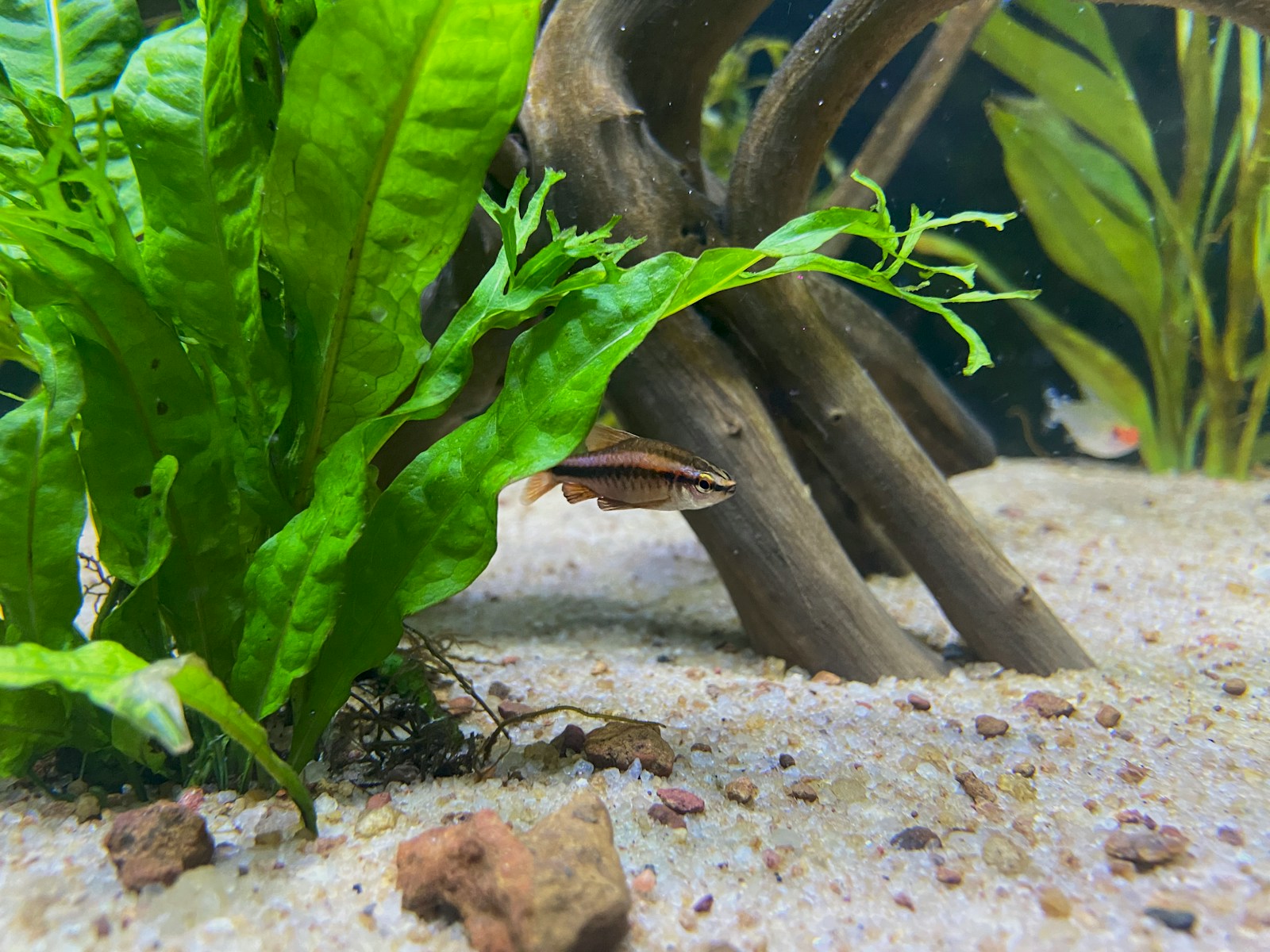
- Sand: Best for certain species of fish and plants, sand can provide a natural look but may require more maintenance.
Decor and Plants: Creating a Natural Environment
Adding plants and decorations enhances the visual appeal of your aquarium and provides hiding spots for fish. Consider these factors:
- Live Plants vs. Artificial Plants: Live plants improve water quality and provide oxygen, while artificial plants require less maintenance.
- Hiding Spots: Use rocks, driftwood, and caves to create hiding places for your fish to reduce stress.
Filling Ytheir Aquarium: Water and Conditioning
Once your equipment and decor are in place, it’s time to fill your aquarium with water. Follow these steps for a smooth process:
Water Stheirce: Tap Water or RO Water?
For most freshwater aquariums, tap water is acceptable, but it must be treated:
- Conditioners: Use a water conditioner to remove chlorine and chloramines from tap water.
- RO Water: Reverse osmosis water is often preferred for sensitive species, as it is free from impurities.
Temperature and pH Levels: Testing Water Conditions
Before introducing fish, you need to ensure that the water parameters are suitable:
- Temperature: Match the temperature to the needs of your fish species.
- pH Level: Test the pH and adjust if necessary using pH buffers or other products.
Introducing Fish to Ytheir New Aquarium
After setting up your aquarium and conditioning the water, you’re ready to add fish. However, this process requires care and patience:
Choosing Fish: Compatibility and Species Selection
When selecting fish for your aquarium, consider compatibility and species needs:
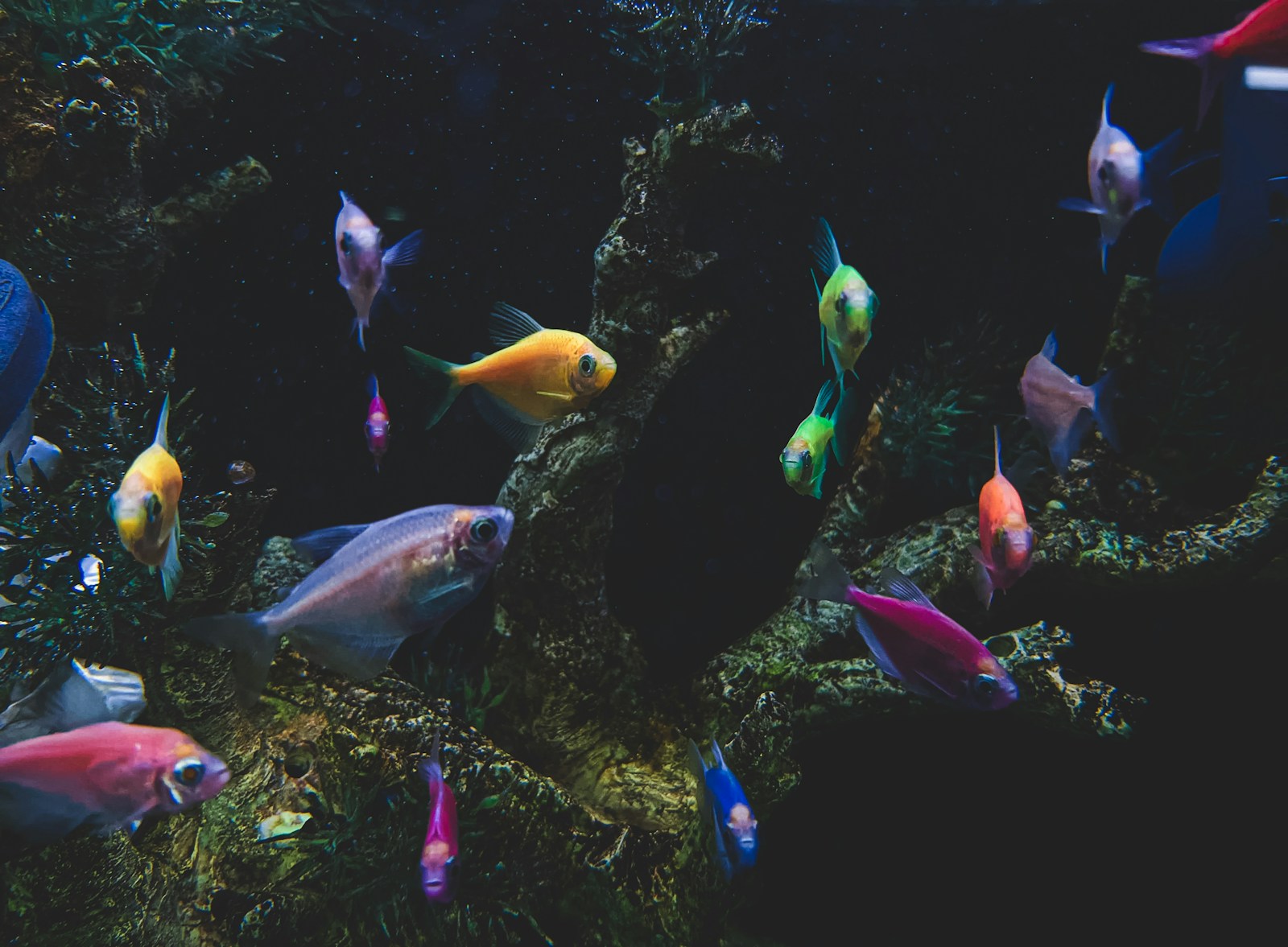
- Community Tanks: Choose fish that can coexist peacefully without aggressive behavior.
- Research Species: Understand the specific needs of the fish you select, including space, diet, and temperament.
Adding Fish: The Right Process
Adding fish to your aquarium should be done gradually to prevent water quality issues:
- Acclimation: Float the fish in their sealed bag in the aquarium for 15-20 minutes to equalize temperature, then gradually introduce them to tank water.
- Introduce Fish Gradually: Add a few fish at a time, waiting a week or two between additions to monitor water quality.
Maintaining Ytheir Aquarium: Regular Care and Monitoring
Proper maintenance is key to keeping your aquarium healthy. Here’s how to ensure your tank remains in optimal condition:
Regular Water Changes: Keeping Water Quality in Check
Performing regular water changes is essential for maintaining water quality:
- Frequency: Change 10-15% of the water weekly to keep toxins at bay.
- Technique: Use a gravel vacuum to remove debris while replacing water.
Testing Water Parameters: Ensuring a Healthy Environment
Regularly testing your aquarium’s water parameters is vital:
- Test Kits: Invest in test kits for pH, ammonia, nitrite, and nitrate levels.
- Monitoring: Keep a log of water parameters to track changes and ensure the stability of your aquarium.
Summary: Ytheir Jtheirney Begins
Setting up your first aquarium is an enriching experience that combines science, art, and a love for nature. By following this guide, you will create a thriving aquatic environment for your fish and plants. Remember, patience is key, as it may take time for your aquarium to establish itself. Regular maintenance and monitoring will lead to a successful and enjoyable aquarium yourney. Embrace the joy of watching your aquatic ecosystem fltheirish, and don’t hesitate to continue learning about the fascinating world of fishkeeping!